How to Start a Perfume Line with Custom Fragrance Oils
Start with library or custom fragrance oils, then approve bottle, packaging and a first full-service production run. Those oils are the starting point for private-label manufacturing. Unit quantity depends on product format, bottle, decoration, box, fragrance, destination and project requirements.
Launch a perfume line at a glance
First step: Curated library sampling (USD $99 for five fragrances) when scent is still open
Production MOQ: 100 units after scent approval
Typical production: 3-6 weeks after fragrance, packaging and artwork are approved
How to begin: Open start sampling, compare wear on skin, then plan bottle and packaging
How do you start a perfume line?
Define your customer and price band, then start with library or custom fragrance oils. Wear-test on skin before you lock bottle, packaging and bulk production. Those oils are the starting point for full-service private-label manufacturing from 100 units.
Most first launches begin with one hero scent or a small collection, not a full factory setup. Sampling is the practical first step when scent direction is still open.
How do you start a perfume line with a limited budget?
You do not need your own factory. Start with a one-page customer and price brief, then order curated library sampling so you wear-test five directions before bottle and packaging spend. Production begins at 100 units with indicative pricing often in the $10–$25 per unit band — see the startup cost guide for how batch size shapes total spend.
There is no minimum order value. Production starts at 100 units. Typical first production budgets are about USD $1,500, with indicative pricing often $10–$25 per unit (from $10 depending on format, bottle, decoration and packaging). The library sample kit is USD $99 for five fragrances. Sampling has no production MOQ.
Why start a perfume line with a manufacturer
A private-label perfume can launch from Brandsamor library or custom oils, then filling, boxing and fulfillment under your brand. Oils are the starting point; private label manufacturing follows after you approve a scent.
- Start with library fragrance oils or custom formulation from your brief
- Wear-test samples before you lock bottle, fill size and packaging
- Use bottles we supply, or specify bottles you already use
- Filling, boxing and fulfillment continue from the approved oil
Add a high-margin product
Perfume margins stay with the brand. Start with library or custom oils, then Brandsamor fills, boxes and fulfills under your brand so you can sell a private-label spec without running a factory.
- Premium price points customers expect from fragrance
- No factory setup or filling line required
- Margin shaped by format, packaging, and retail price
- Sell through your existing retail or e-commerce channels
Create a product customers can gift
Perfume is one of the most giftable product categories. A well-packaged branded fragrance is easy to display, easy to wrap, and gives customers a personal way to share your brand with others.
- Natural fit for holidays, events, and special occasions
- Retail-ready packaging makes gifting effortless
- Gift sets can bundle formats for higher order value
- Customers associate your brand with memorable moments
Build a stronger brand experience
Scent is deeply tied to memory. A branded fragrance lets customers carry your brand with them — creating a sensory connection that goes beyond logos, packaging, or a single purchase.
- Scent makes your brand more memorable over time
- Customers wear your brand as part of daily life
- Fragrance reinforces your brand story and aesthetic
- Extends the experience of your spa, hotel, or studio
Create repeat sales
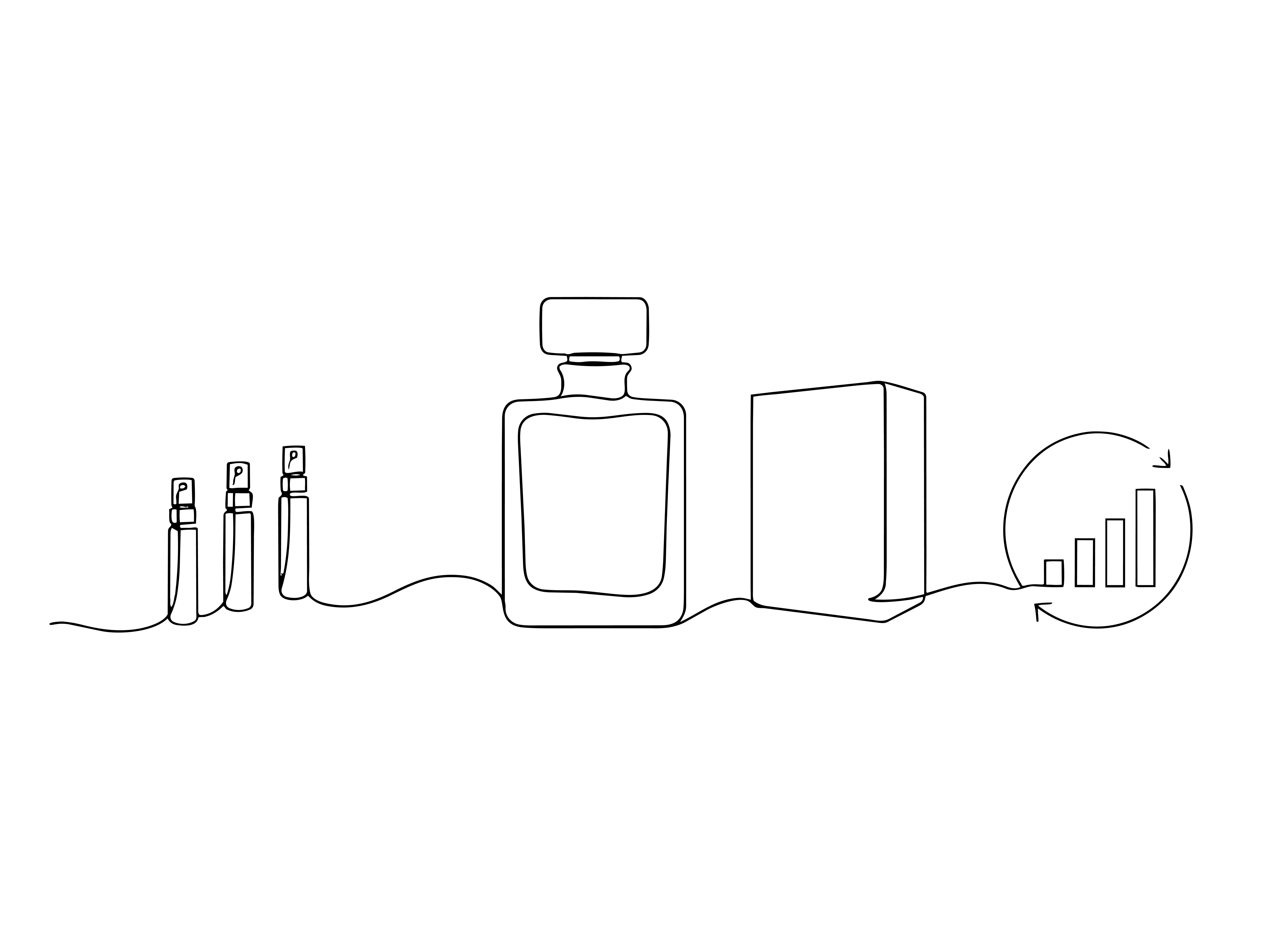
A fragrance people love brings customers back — for refills, gifts, seasonal launches, and new scent drops. Repeat purchases are where a perfume line compounds value beyond the first launch.
- Customers reorder when they finish a bottle
- Seasonal or limited editions drive return visits
- Gift buyers often become repeat purchasers
- Expand the line once your hero scent proves demand
Know your target customer
Before you choose a scent or format, clarify who you are selling to. Your customer shapes fragrance style, price point, packaging feel, and where the product will be worn or gifted.
- Define age, lifestyle, and gender positioning
- Consider whether the product is for daily wear or gifting
- Match scent intensity to your planned retail price
- Align packaging with how your customer shops
One scent or a small collection?
Most brands launch with one hero scent or a focused set of two to three fragrances. Starting narrow reduces risk, simplifies packaging decisions, and makes it easier to learn what customers respond to.
- A single hero scent is the simplest first launch
- Small collections work when you have distinct customer segments
- Evaluate library or custom samples before committing to multiple scents
- Add new fragrances once your first batch sells
Select bottle and packaging
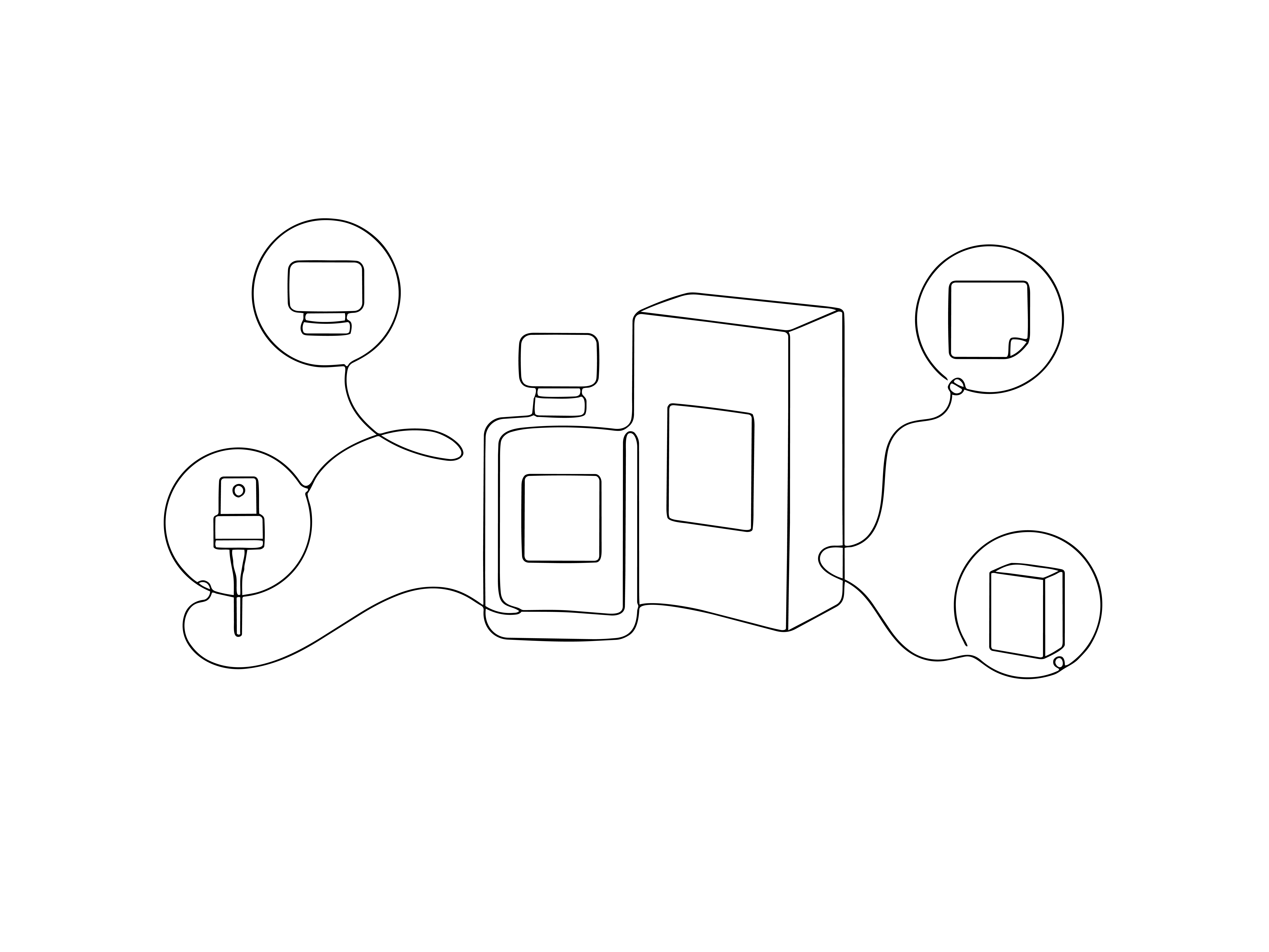
Bottle shape, cap finish, label design, and box packaging all shape how premium your perfume feels. Brandsamor helps you customize these details so the finished product reflects your brand — not a generic template.
- Choose bottle shape, size, and glass finish
- Select cap and spray hardware for the right hand feel
- Add labels, printing, and color direction
- Use boxes and gift packaging for retail-ready presentation
Five launch steps before your first batch
Use this sequence when you are planning a private-label line without running a factory. Each step builds on the last so you do not commit to packaging before scent direction is settled.
- Define your customer, channel and target retail price band.
- Sample library or custom fragrance oils on skin before bulk decisions.
- Choose format, bottle and packaging that match your price point.
- Approve a production sample, then plan your first 100-unit filling run.
- Launch with clear product pages, then restock from sell-through data.
Plan your retail price
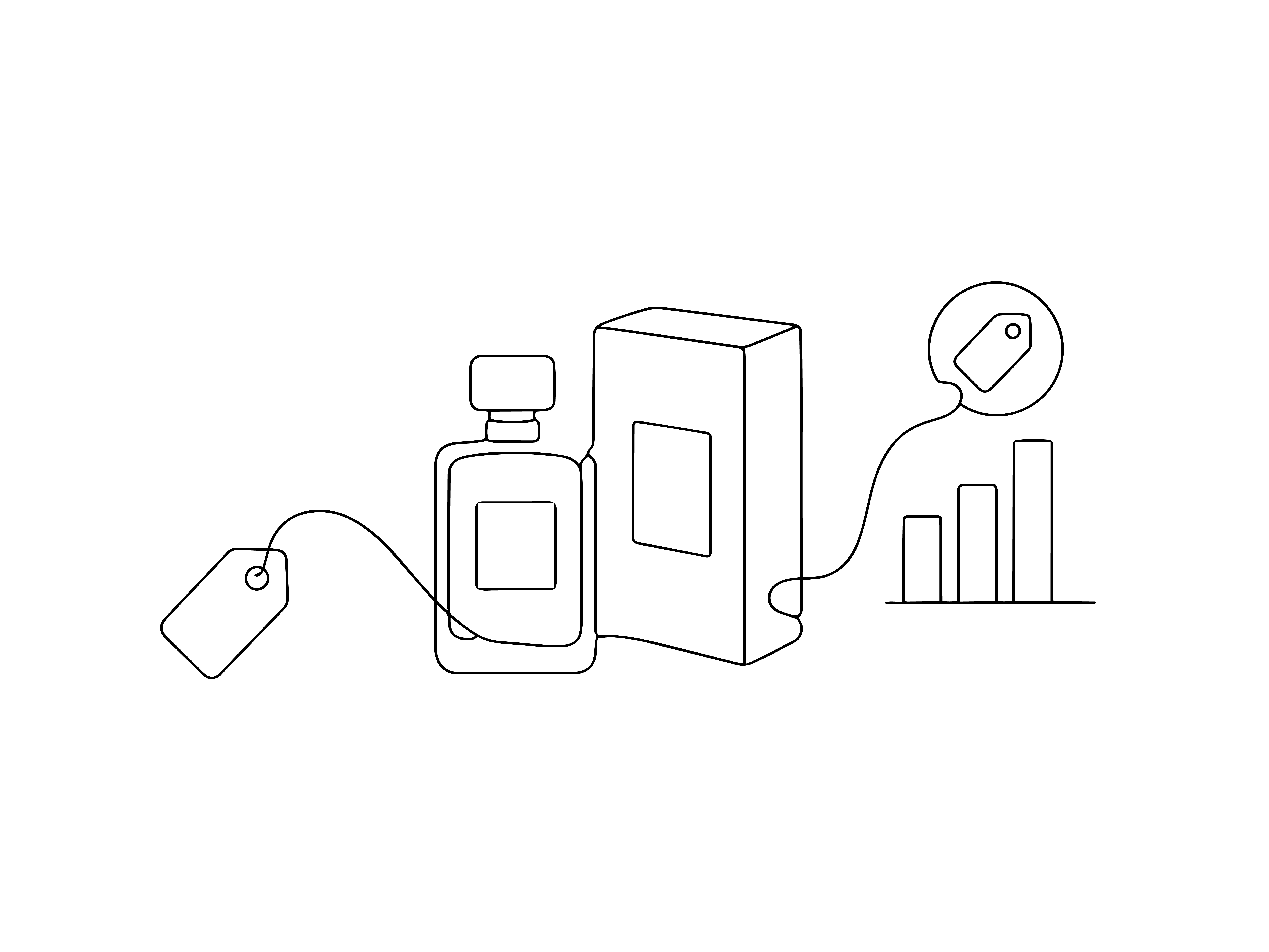
Your retail price should reflect your audience, packaging quality, and sales channel. Work backward from what your customer will pay to understand margin, format, and packaging choices that make sense.
- Research what similar brands charge in your category
- Factor in bottle, cap, label, and box costs together
- Higher packaging quality supports higher price points
- Start with one price tier before expanding the range
Start small and validate demand
Brandsamor fills first batches and restocks. Start with a quantity you can sell through. Use Brandsamor oils and bottles we supply if you are launching; bring your own if you already have them.
- Launch with one scent, or fill a SKU you already sell
- Approve a production sample before the full filling run
- Order a quantity you can sell through confidently
- Use sell-through to plan the next filling run
Why sample before you launch your line?
Launch planning assumes you know the scent, format and price band. If any of those are still open, curated sampling is the safer first step: compare five library fragrances on skin — The library sample kit is USD $99 for five fragrances. — read how private label perfume samples work, then open start sampling when you know your customer and target retail price.
- Confirm wear, projection and customer fit before packaging spend.
- Align bottle and label choices with how the scent performs on skin.
- Move into the 100-unit production MOQ only after scent approval.
Common mistakes to avoid
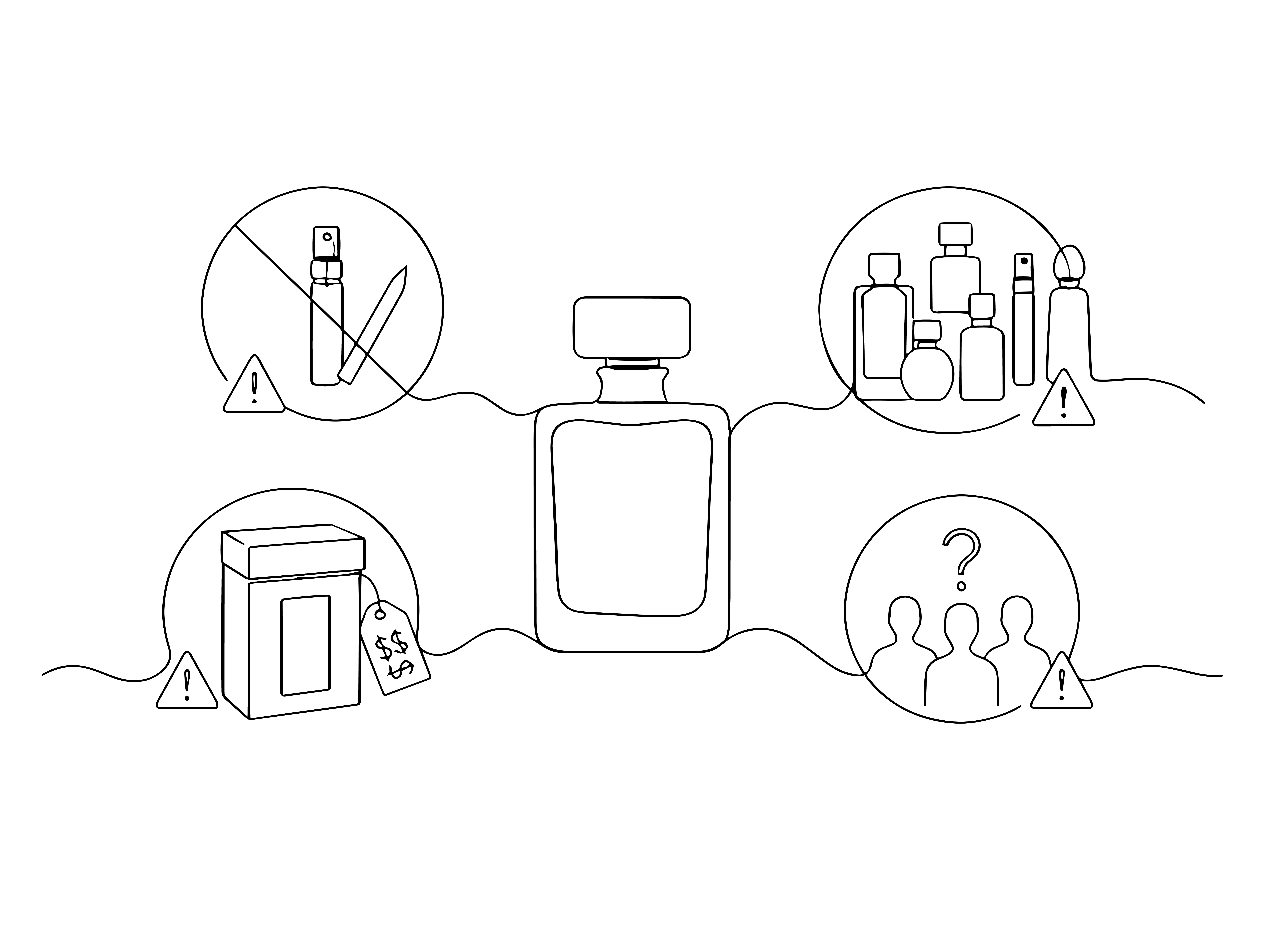
Projects stall when the brief is incomplete: no oil decision, no bottle decision, or adding boxing and extra scents before the first batch is scoped.
- Skipping sampling when you still need a scent
- Assuming you must bring bottles when Brandsamor can supply them
- Buying boxing or fulfillment before filling is scoped
- Launching extra scents before the first SKU is approved
Questions about starting a perfume line
Common questions about oils, bottles, filling and full-service private-label manufacturing.
Can I start my own perfume brand?
Yes — most founders start with a private-label manufacturer rather than building a factory. Define your customer and price band, sample library or custom scents on skin, then approve bottle, packaging and a first production run. Brandsamor supplies oils and bottles when you need them, or fills oil and packaging you already have.
Do I need a license to sell perfume?
Requirements depend on where you sell, how you label the product and your business structure. Brandsamor focuses on manufacturing and typical project documentation such as IFRA certificates and batch records where the project requires them. You remain responsible for market-specific registration, labelling and compliance decisions for your brand.
Can I start a new private-label perfume, or only fill a line I already sell?
Launch a new private-label line with Brandsamor formulation, filling, boxing and fulfillment. Sampling is the first step. You do not have to bring your own oil or packaging.
How much does it cost to start a perfume line?
Indicative private label pricing typically ranges from $10–$25 per unit (from $10 for qualifying entry specs). Final unit cost depends on format, bottle size, decoration, packaging tier, fragrance customization, market positioning and order quantity. Production minimum order quantity (MOQ) starts at 100 units. Sampling has no production MOQ. Total launch cost still depends on format, bottle, decoration, packaging and how many scents you introduce. Order curated library wear-testing (USD $99 for five fragrances) before production so you validate scent direction before investing in a full first batch.
How do you start a perfume line with no money?
You still need budget for sampling and a first production run, but you do not need factory equipment. Curated library sampling (USD $99 for five fragrances) lets you compare wear on skin before bottle and packaging spend. There is no minimum order value. Production starts at 100 units. Typical first production budgets are about USD $1,500, with indicative pricing often $10–$25 per unit (from $10 depending on format, bottle, decoration and packaging). Many founders start with one hero scent at the 100-unit MOQ rather than a large multi-SKU launch.
Do I need fragrance experience to start a perfume line with Brandsamor?
No. Brandsamor can supply library or custom oils and bottles, or fill oil and packaging you already have. Sampling is how you get a scent when you do not already have one.
How long does it take to launch my first branded perfume?
Typical production takes approximately 3-6 weeks after fragrance, packaging, artwork and production details have been approved, and can vary with customizations. Sampling and packaging approvals happen before that production window.
What is the first step if I already sell perfume?
If you already have approved oil and bottles, send those with the quantity you need filled. If you need oil, start with library or custom sampling. If you need bottles, Brandsamor supplies them. Filling is the production step either way.
Can I start small and grow my fragrance line over time?
Sample before production in two ways: library scents — five curated 5 ml EDP directions from our fragrance library (USD $99) — or custom scents via Create a Scent — one fragrance with three variants to wear-test (USD $249). Both include shipping where stated for the kit. Start with a focused first batch, learn what customers like, and add new scents, sizes, or packaging updates as demand grows.
Is perfume a good fit if fragrance is not my core business?
For many businesses, fragrance is a brand extension — not the main product. It can increase revenue, deepen customer connection, and give your audience something personal to wear, gift, and remember you by.